
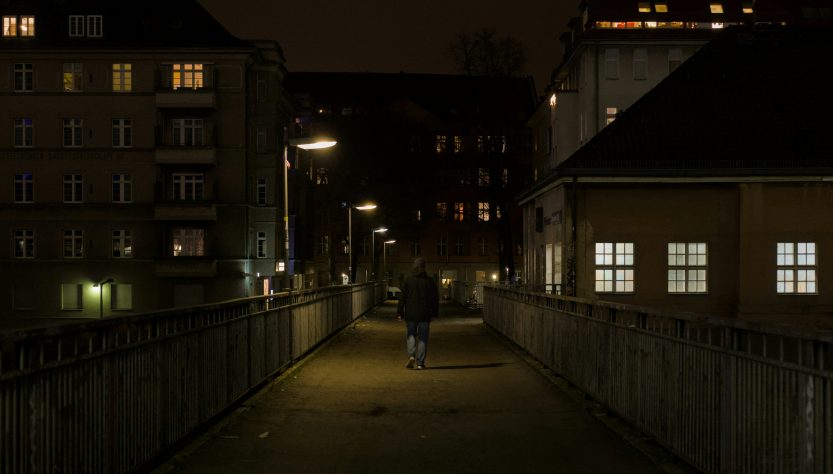
As December arrives and deadlines pile up, the early sunsets seem to drain more than just daylight. They sap motivation, energy and mood for many students across campus.
According to a recent survey of Kingston University students, 37.5% of respondents said they feel much more lethargic when compared to the last two months.
Research from Johns Hopkins Medicine shows that reduced sunlight can trigger biochemical shifts linked to low mood and fatigue. Known as Seasonal Affective Disorder (SAD), it is more commonly known as “Winter Depression”. This condition affects up to 1.6 million people in the UK, roughly 3% of the population.
“Darker days make me lose most of my passion and motivation for anything,” said Ho Regina, a postgraduate student.
With exams approaching this month, university students can easily experience high levels of stress and anxiety, which can heavily affect their well-being and academic performance. According to our survey data, one in three surveyed students have five or more exams in December.
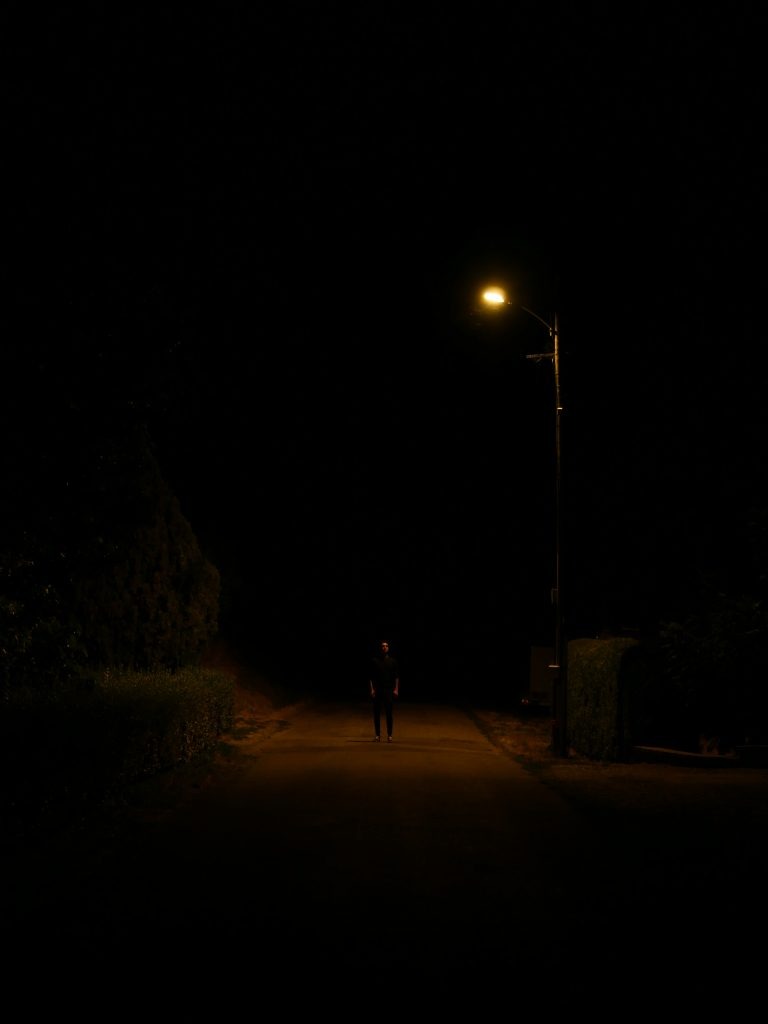
“I feel anxious and unprepared, like I don’t have enough time in the day,” said one survey respondent.
More than 45% surveyed students agree that a decrease in daylight and academic deadlines make things harder for them, yet only less than 20% of students are aware of the student counselling service offered by the university and have been using it.
“We do see a slight increase in the number of students requesting support, not just due to a decrease in daylight but also because of seasonal affective disorder and more generally because this time of year can be difficult for students for many reasons,” said a Kingston University spokesperson.
A study from the National Library of Medicine (NLH) suggested that bright light exposure can help reduce students’ anxiety. Neuroscientists from NLM have found that sunlight plays a vital role in regulating serotonin, a neurotransmitter tied to mood, focus and energy.
A study from 2003 showed that increased daylight exposure was linked with lower depressive symptoms among young adults.
While winter darkness is unavoidable, small changes can still improve our moods. Clinicians recommend getting outside for a walk and brief daylight breaks between 10 and 20 minutes, which can already elevate energy and attention level. Students can also choose daytime library slots and maintain regular sleep schedules.
The University’s counselling service offers sessions and referrals based on students’ availability and condition. Although we cannot change sunset times, we can change how much light we have access to each day.