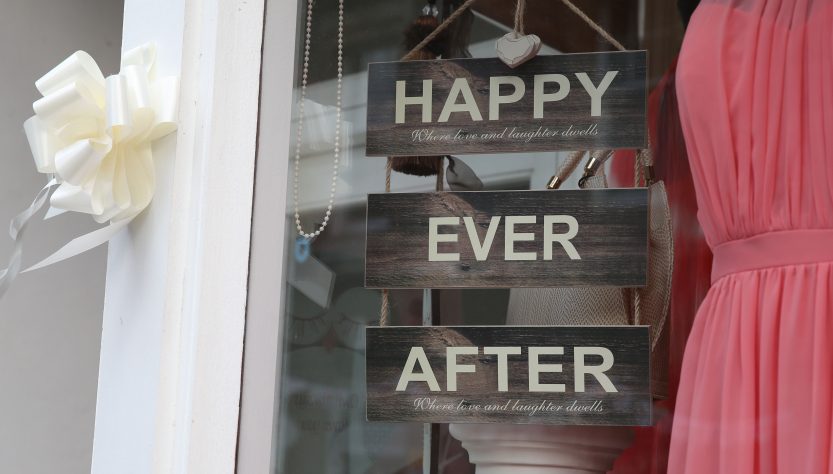
Happy Ever After, for the longest time, was understood as a romantic plot device that would wrap up stories. That perception and understanding of happily ever after has been framed by media, from both classic fairytales such as Rapunzel and Cinderella, as well as rom-coms such as Bridget Jones’s Diary.
“Happily ever after was all about love. Love was the most important and only factor really … the media definitely shaped a lot of people’s experiences of a ‘Happy Ever After’, even if it is unrealistic,“ said Georgia Asamoah, a first-year criminology and forensic psychology student.
However, that is no longer the case. Happy Ever After is no longer so frequently tied to romantic partners, with fulfilment for many now coming from personal achievement.
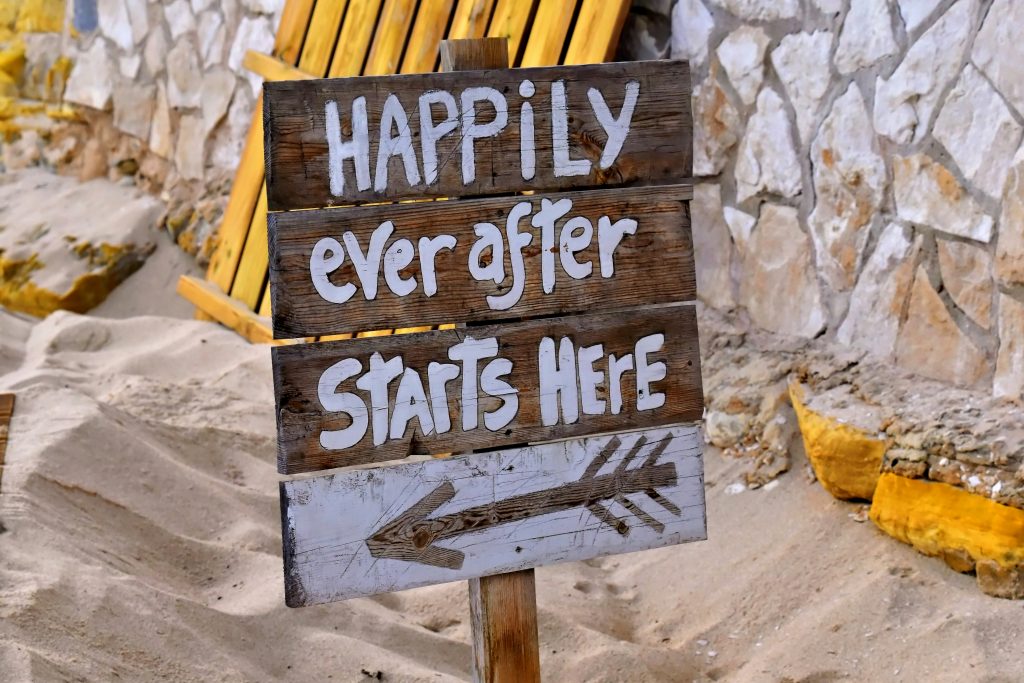
Respondents from a “Happy Ever After” survey outlined their idolised concepts of a true fairytale ending: “A stable career, a nice house, peace and satisfaction,” a far cry from gilded carriages and a royal partner.
“I feel like for everyone overall, happily ever after probably includes being with people that they love and being happy,” said Asamoah. “To most people, Happy Ever After is happiness from within, being at peace with who you are.”
“Happy Ever After still exists but we’ve got more exposure to things, so it’s not just love for us: we want financial stability, a nice job, nice house and family”, said Whitney Itsemiye, a first year Pharmacy student.
“My happily ever after now, would be a job that I really like, a good income so that I am able to sustain myself and provide for my parents and spoil my siblings; not having to think about bills, being comfortable enough that I don’t have to worry about money.”
Itsemiye is not the only one; movements such as Second-Wave Feminism and the rise of gay liberation revolutionising the concept of a picture perfect ending, with less emphasis on traditional, wedded monogamy, and more emphasis on shaping Happy Ever After around day-to-day life.
76% of UK singles say the cost‑of‑living crisis is forcing people to move in together earlier than emotionally ready, purely to save money.
According to the Office for National Statistics (ONS), 18.5 Million adults in England and Wales (36.8% of population aged 16+) have never been married or civil partnered in 2024, an increase from 15.8 Million (33.9%) in 2014