
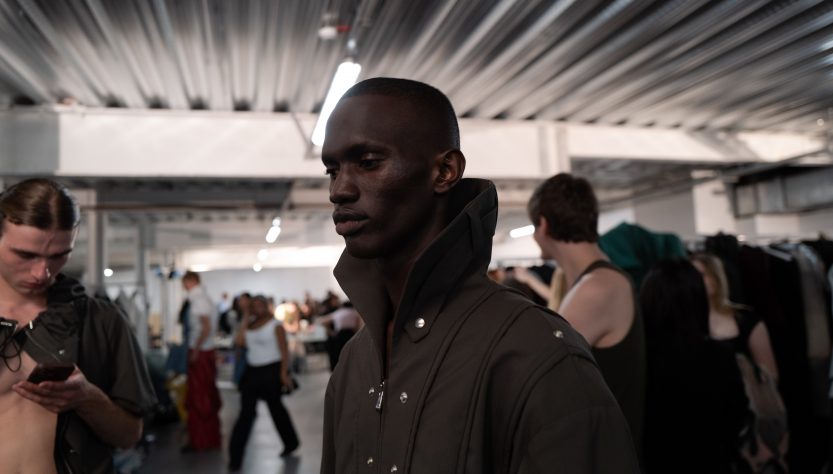
Fashion students have found themselves facing disparity based on their gender, according to data.
In 2015 in the United States, the Clothing and Textiles Research Journal did a qualitative study of 22 male students enrolled in fashion programs and found that male fashion students were frequently stereotyped with their subject choice, framing it as a female subject. In some cases, the individual’s masculinity was questioned.
University for the Creative Arts third-year fashion textiles student Olivia Whitley said, “Yes, usually we have mostly female tutors, and they treat the men, I’d say, harsher than the girls. And generally, less friendly to male students.”
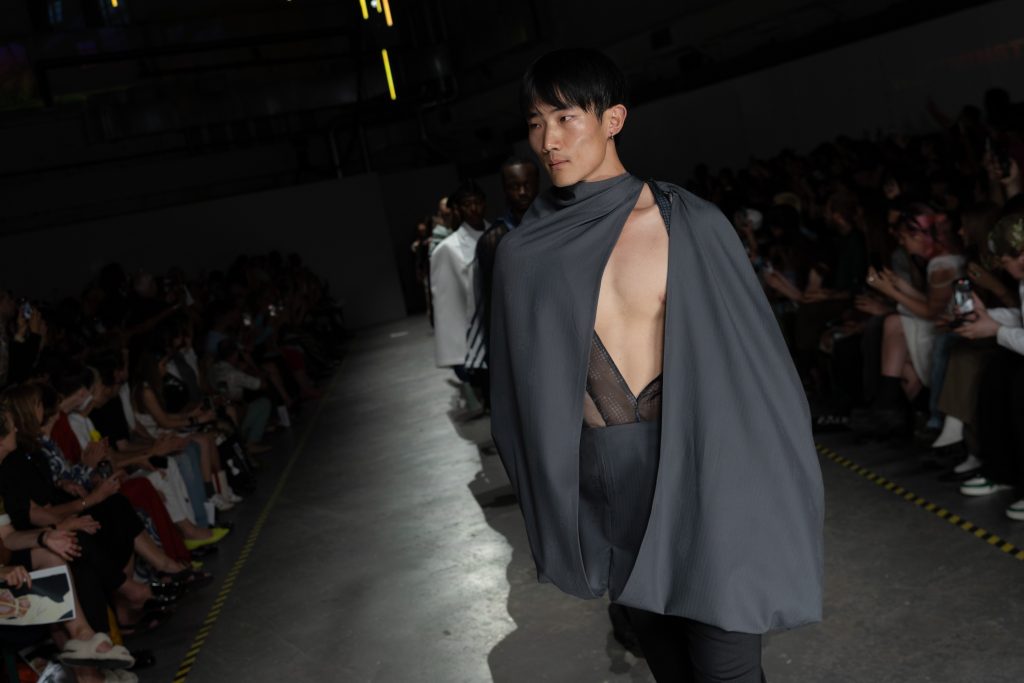
On the other hand, the treatment of male students could be due to behaviour and attitudes towards the course, as Whitley expanded on: “Usually male students show up less and complete less work; this can be frustrating for tutors as it’s a very hands-on course. I also think that the male students have less respect for their fabrics and the craft, which can be seen as offensive to a lot of tutors, as fashion is their life.”
The gender disproportion in fashion courses is further shown in HESA-based university data; Kingston University has a strong gender imbalance around 85% female, 14% male, and 1% other.
This disparity means men are outnumbered by women by around 7 to 1, further emphasising the staggering difference in the student population in fashion. Fashion Kingston student Gurtej Singh agrees, “The course is very female-heavy.”
Even in specialist courses such as menswear fashion at the University of the Arts London, the disparity remains, about 70% female and 30% male.
Researchers studying clothing have found that men’s fashion preferences and behaviors are often influenced by social norms and concerns about how their choices are seen, suggesting that cultural stereotypes around gender and dress shape men’s confidence and engagement with fashion.
Provided by The British Academy in 2023/24 in SHAPE courses (Social Sciences, Humanities And the arts of the people and economy) stated that women made up 60% of SHAPE as well as 57% of all students.