
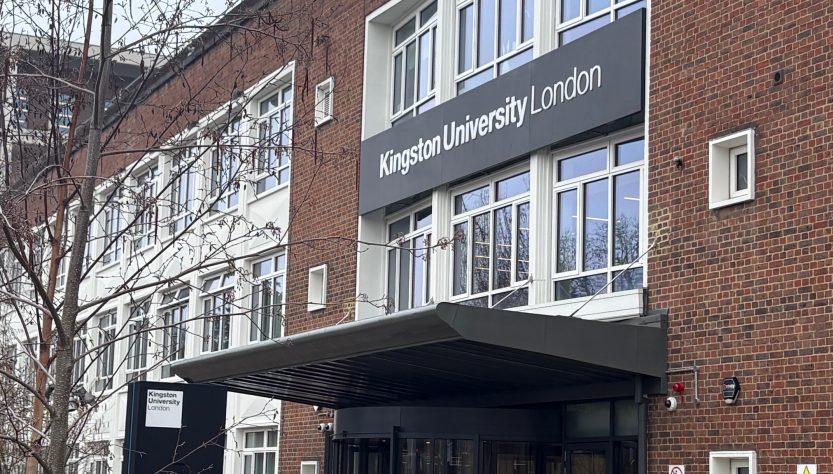
As cherry blossoms start to bloom along the Hogsmill, a familiar anxiety settles over Kingston University’s final-year students. With spring bringing dissertation deadlines, final projects, and exams, an uncertain future looms.
For many students preparing to leave university, the challenge is deciding whether they can realistically begin their careers in the UK.
“The UK is still full of opportunities,” said a final year Kingston University art student. “Staying here means building a network in London that you just can’t get anywhere else.”
Yet rising living costs make that opportunity more difficult to access. Private rents in Greater London have increased by more than 8 per cent annually, putting pressure on graduates starting entry level jobs or freelance work.
For international students, the financial barrier arises even before employment begins. The UK’s Graduate Route visa enables graduates to stay in the country for two years without employer sponsorship, but the combined cost of the visa fee and Immigration Health Surcharge can be around £3,000.
“It’s a difficult choice,” said one Kingston student who is considering returning to Southeast Asia after graduating. “I could work as a freelancer at home and actually have savings at the end of the month. But leaving the UK might mean losing opportunities.”
Local students share concerns about job prospects. The graduate unemployment rate increased slightly, from 5% to 6%, mainly due to a rise among non-UK students from 9% to 11%. This remains below the overall youth employment rate (16-24) of 14.3% in early 2025.
Kingston University London’s Careers and Employability Service offers career coaching, networking, and job support for up to two years after graduation.
According to the Office for National Statistics, many graduates now enter industries through temporary contracts or freelance work before securing permanent roles.
“You want to stay where the opportunities are, but you also need to live somewhere you can afford to start your life.” An art student said.
At the same time, economists have expressed concerns about a potential “brain drain”, with young and highly educated workers leaving the UK in search of more affordable living conditions or better career prospects abroad.
Government figures show the Graduate Route visa issued a record 172,000 permits in 2024, yet studies suggest that around 80 per cent of international students leave the UK within five years.
In response, the Department for Culture, Media and Sport launched the Discover the Creative Careers campaign to expand access to creative careers nationwide.
Culture Secretary Lisa Nandy said the initiative aims to address inequalities within the sector.
“Talent is everywhere, opportunity is not,” she said.
Despite the challenges, Kingston University reports that 92 per cent of its graduates are in employment or further study within 15 months of completing their degree.
For Kingston’s newest graduates, the next chapter is only just beginning, and sometimes the hardest decision is simply choosing where that story starts.