
One scene really stands out in Marty Supreme. Conversing in a room is Marty (Chalamet) and Kay (Gwyneth Paltrow), actively talking of plans beside the ideal that Marty’s dream doesn’t shape into reality. She investigates into his ego, testing his determination. “Do you make money off this little table tennis thing?” she asks. “Not yet,” he replieds, smirking. “Then how do you live?” she fires back. “Well, I live with the confidence if I believe in myself the money will follow.”
This scene is hidden amidst a difficult situation for Marty. Despite his luck throughout and initial impressions, he always bets on himself to become the face of table tennis. It’s a bet. A bet that if made in any other plot-driven piece of cinema, would ultimately already be transcribed by the audience as a certainty. Instead, he ignores all signs and pursues a dying dream through gritty manipulation and hard-boiled drive.
It’s this storytelling that drives Josh Safdie’s Marty Supreme, storytelling of such level of quality that deserves comparison with other elitist prose. From the likes of Tarantino’s unique blender that is Pulp Fiction to Sorkin’s witty The Social Network. Like these, Safdie faultlessly pins down the balance between a humorous and narcissistic level of inspiration derived from Timothee Chalamet’s adaptation of the table tennis phenomenon Marty Mauser.
“That doesn’t even enter my consciousness.”
Marty Mauser in Marty Supreme
Safdie is often known for his unpredictable slipstream of cinema, like multi-award winning Uncut Gems which educates audience the worth of things beyond monetary value. His pieces produce questions. There are many things Safdie is trying to say both thematically and symbolically about post-World War New York surrounding the irony of the idolised ‘American dream,’ that are insulated by an ensemble of masterclass acting.
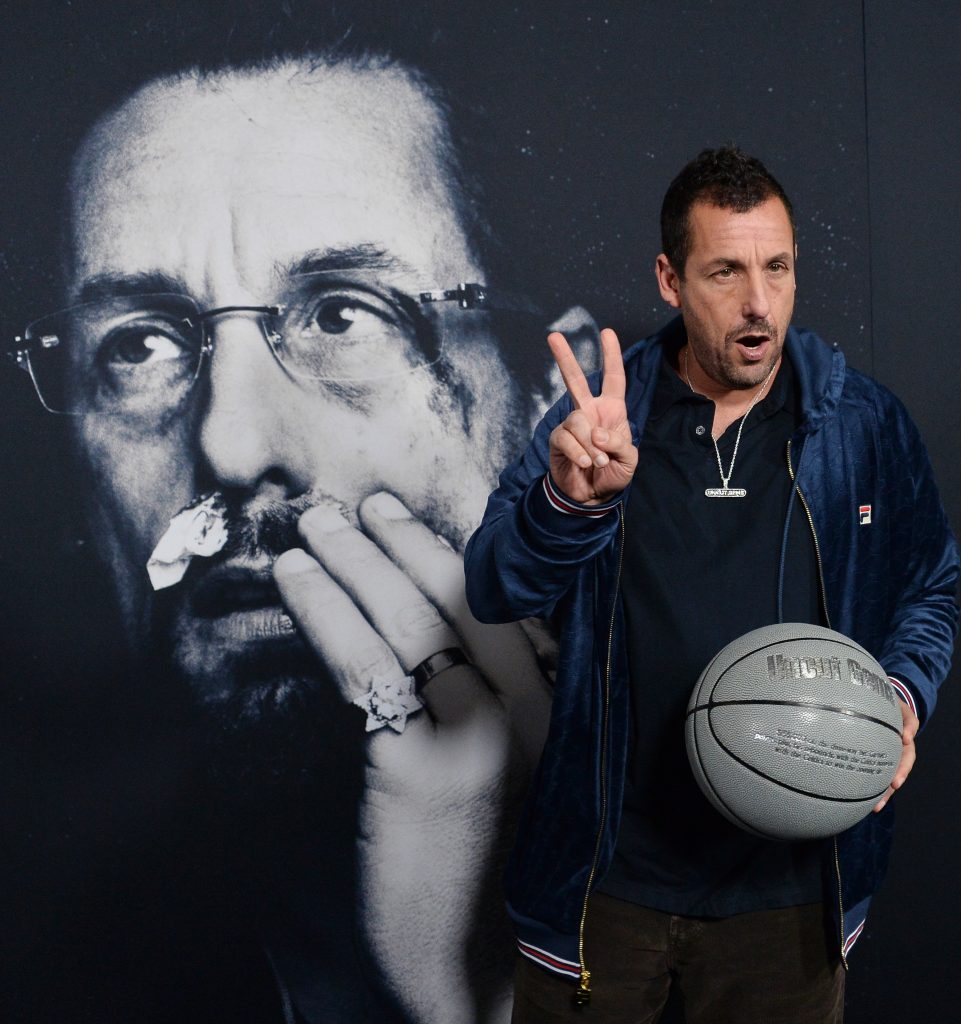
Picture by: Jim Ruymen/UPI / Shutterstock
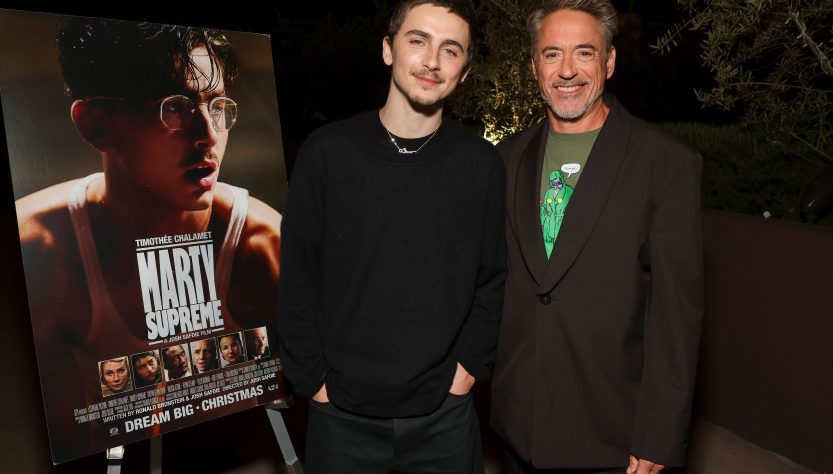
Chalamet transcends to a level of his own amongst the hierarchy of young talent by delivering a performance that can be juxtaposed as either being riddled with a higher purpose or borderline egocentric. Chalamet’s own aspiration to be considered ‘one of the greats’ is mirrored beyond the film’s fourth wall; his strategy in promoting the film also impressed upon the audience a sense of the film’s ambition as he completely embodied Mauser, displaying true form in method acting.

Picture by: Kevin Sullivan/ZUMA Press Wire / Shutterstock
It’s rare to find a movie that calls to you long after the first watch. Safdie has appealed to every sensation granted when creating modern erratic dialogue, taking that dialogue and mixing it with unconventional plot complexity. It begs the question: Who is Marty Mauser once the film comes to close?
From the words of Mauser himself, he is “The Chosen One.”
