Reform UK is gearing up for the next general election and young voters reluctance to vote will increase their chances of propelling Nigel Farage to Downing Street.
Behind their rise is an immediate truth, young people, particularly students are far less likely to vote with turnout at the 2024 general election for 18-24 year olds being less than half.
Reform’s voter base tends to be older, with 67% of their voters being over the age of 50 according to Statista, this demographic is historically more active in elections, boosting Reform
Sheffield journalism student Jack Kelly, 22, said: “I personally do not feel informed enough to vote, and I think a lot of young people feel the same. When they do vote, they don’t know who they’re actually voting for.”
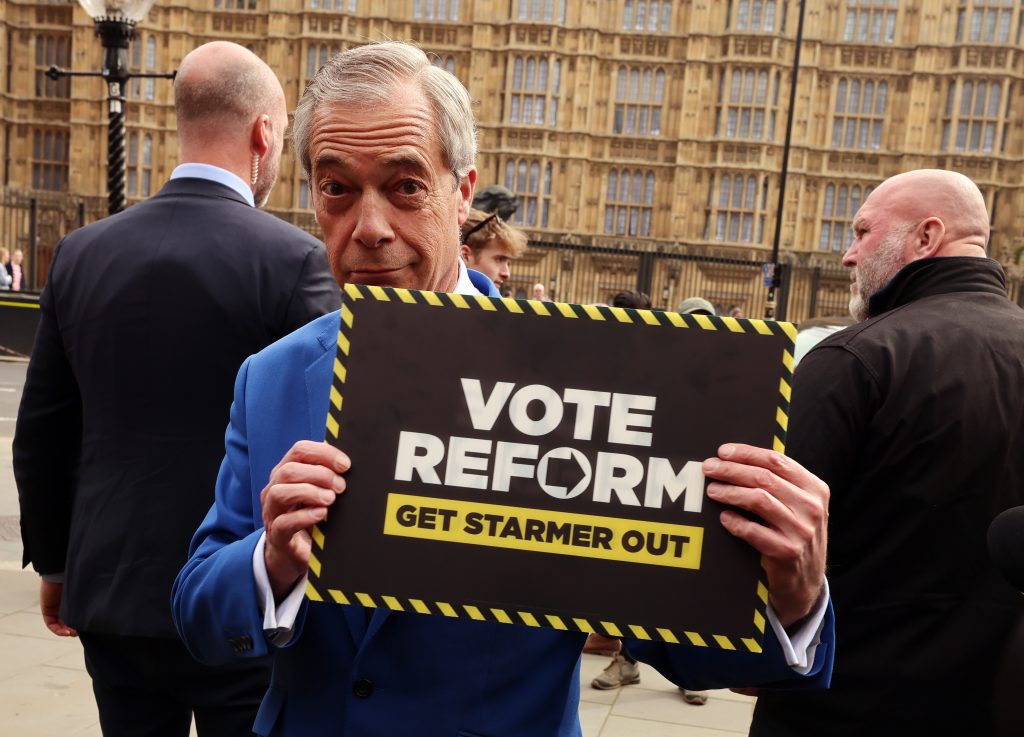
To Kelly, “a man who goes to the pub and sells football shirts,” who has an “entertaining persona” is more appealing than other politicians – personality over policy.
For voters aged 18-24, this emphasis helps reinforce the idea that politics is circus rather than a process with consequences that will affect them.
“People don’t realise sometimes that they’re voting against themselves,” said Kelly, “We mainly get information from social media, it’s like they don’t want us to feel informed.”
Trust in Westminster is low with 12% of people saying that they trust government to prioritise the nation’s best interests according to a Times survey, contributing to wider disengagement in politics.
For students, politics competes with pressing priorities including living costs and when average London rents of over £1,500 per month, having to learn about politics is an unwanted distraction.
Manifestos are longer and this alienates younger voters, Reform’s runs to 28 pages, whilst Labour’s 2024 manifesto was 92, this forces students to take time to read policies that don’t matter to them.
Kingston alum Aayushi Chawla said: “Having a young population that is informed about parties and their policies is really important, regardless of whether you agree with them or not.”
Polling suggests Reform’s appeal among young people remains limited. Only around 10% of young voters view Farage strongly favourably , and most young people are still unlikely to vote for the party .
Voter intention doesn’t always translate into turnout, less than 67% of 18–24-year-olds are registered to vote, compared to 96% of over-65s according to a Guardian article, this gap reinforces the sway that older voters hold.
This detachment is prevalent elsewhere , Portsmouth resident Miltiadis Orfanidis, 23, said: “There isn’t a party I feel enthusiastic about — politics often feels distant from everyday concerns.”
Social media deepens the disconnect as platforms prioritise algorithm-driven content which reshapes how political information is consumed and who it’s being consumed by.
Disengagement is not neutral, when a generation opts out of voting or feels pushed out, it shapes the consequences, often in ways that may not reflect their own interests.
