
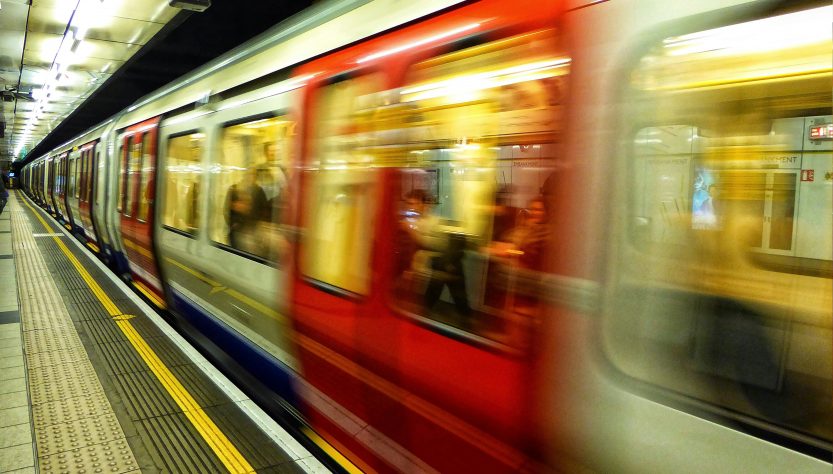
Many students who commute to University make a decision each year to either use TfL or drive themselves to University, a choice depending on financial situations, plus other factors.
A survey of more than 400 students by the University of Reading found that at least 17.8% of students drive themselves to University, while at least 14.59% use public transport.
According to a University of Birmingham survey, the number of students travelling to university by train has risen to 20%, a 2% increase compared to 2022.

Many students tend to choose public transport as their preferred form of travel rather than driving due to the costs of financing a car, which, as a student, is likely to be difficult and very restrictive budget-wise, as biomedical student Tewiah exclaimed, “For driving, there’s a lot you may have to pay for monthly, yearly, etc., and that’s even when you’re not using the car, say you go on holiday for a month.”
For the many students of Kingston University who use public transport to commute, the University itself offers services for students to make the journey easier as well as cheaper, as Tewiah details: “I think the university does offer enough services. I’ve chosen to live close to campus, so I don’t need to stress about catching or missing public transport. From what I know, our uni has its own student bus service, which is really helpful at times
Confused.com reported that car insurance for students is about £1,229, while still having to account for car tax, fuel, MOT and parking costs.
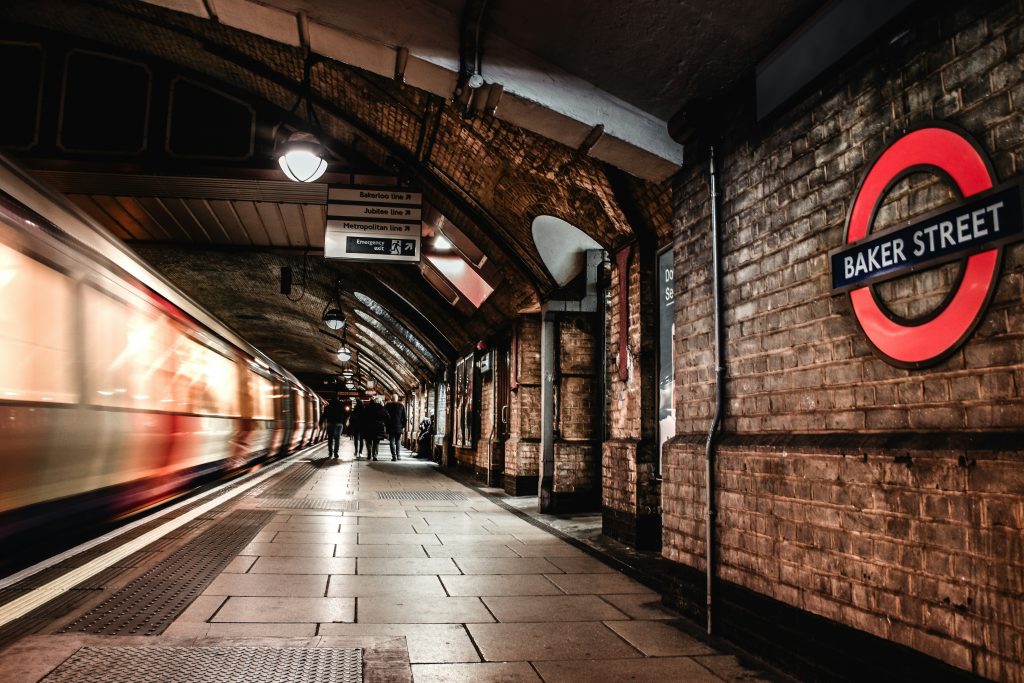
This list of financial responsibilities for having a car is complicated and, for some, not sustainable. Furthermore, the average student loan in the UK is £53,000. This, plus the rising cost of living across the country, has made this mode of transport a less popular choice among students.
Queen’s University Belfast released a survey where they found that 48% of students had access to a car, but only 13% of students actually drive to campus. Many students feel that the financial burden of parking and gas required to commute to university is not worth it.
For the drivers of Kingston University who commute, a popular complaint of theirs is the lack of parking as well as the expensive fees for the parking spaces. Austin Lainchbury, an architecture student, told the River his experience. “It’s not great for driving because there is very limited parking, especially at my campus. The parking available has very expensive rates, so it makes driving unreliable and a burden.”