
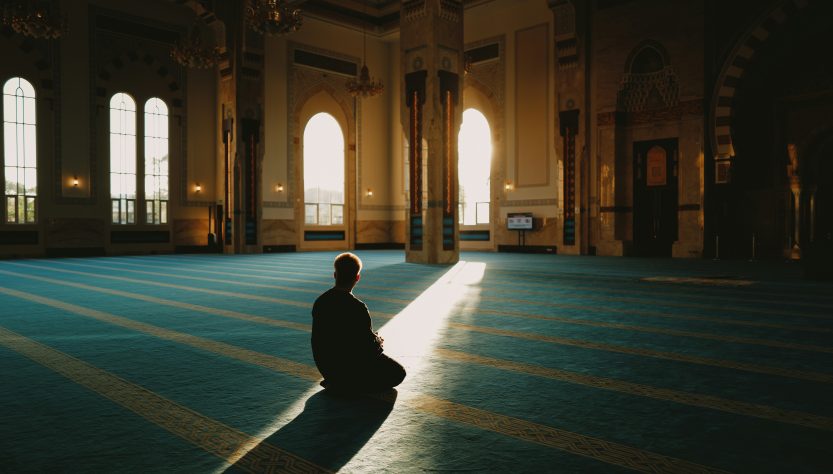
Imagine going from breaking your fast surrounded by family at your grandmother’s cosy home – to late-night cooking in your shared kitchen after a day full of lectures. University, at the best of times, can be difficult; but the transition for Muslim international students during the holy month of Ramadan can feel very lonely.
According to Kingston University’s Higher Education Students Early Statistics (HESES), 20.92% of students are Muslim, making it one of the largest faith groups on campus. However, for the university’s international Muslim students, Ramadan can look very different from what they are used to at home. Unlike native students, who can return to family homes for the weekend, or celebrate the month in familiar communities, international students must create their own traditions, often in student halls, shared flats, or campus prayer spaces.
Since Ramadan frequently falls during the academic year, many students have to adjust their schedules to accommodate lectures, coursework deadlines, and part-time jobs, often surviving on little sleep while fasting from dawn to sunset.
Juggling Iftar, the meal that breaks the fast at sunset, with university commitments, can be exceptionally challenging for international students.
“I feel like the thing I struggle with is the quietness more than the fasting. My body gets used to no food and water, but it doesn’t get used to the loneliness or going through this month alone,” said Malak Hafez, a Muslim international student.
Students from the Middle East, Africa, and Asia describe how the traditions they grew up with feel different or completely absent in the UK. “It’s so obvious it’s Ramadan when I’m back, the streets are all lit up with lanterns and patterns busy with gatherings and music, but here it just feels like an ordinary day, the only difference is I’m not consuming anything,” Egyptian student, Leila Darwish, said.
Long lecture days, seminars, and part-time jobs do not stop for Ramadan. Although many students claim that fasting teaches them discipline and time management, early mornings for suhoor, the pre-dawn meal eaten before the fast begins at sunrise, and late nights for prayer disrupt sleep schedules, providing students with less time and focus for studies.
“I feel like I need to create a completely different schedule for Ramadan so that I can manage focusing on my studies and fasting. I get so tired in the afternoon that I lose motivation to do anything until I break my fast,” Hafez shared.
Rebuilding a community during Ramadan has become a priority for international students, providing them with comfort on campus far from home. Shared Iftars with friends, visits to prayer spaces, and simple check-ins from classmates help ease the loneliness of the month.
Student-led initiatives, such as the Kingston University Islamic Society, and informal gatherings play an important role in reviving the spirit of Ramadan.
“I love when my friends try fasting with me, it gives me that sense of community, like I’m building my own traditions with a new family,” Darwish said.
Shaped by distance, discipline and community, Ramadan is a holy month of reflection and growth that can be difficult away from home but brings communities together.
