
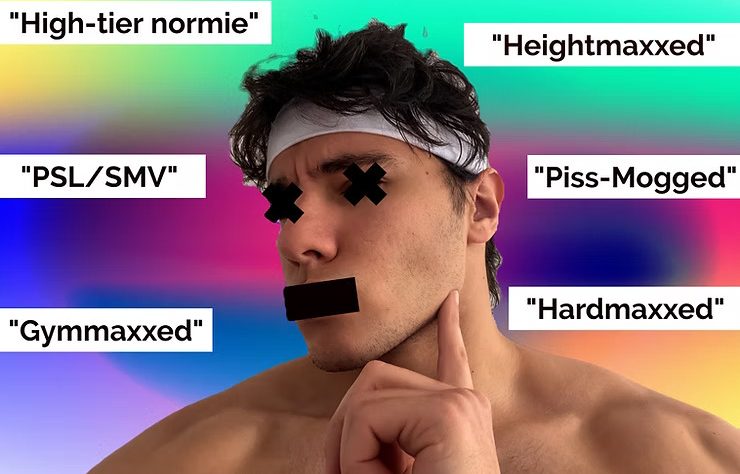
Looksmaxxing has quietly metastasised from obscure online forums into a full-blown digital subculture, complete with its own influencers, jargon and increasingly dangerous rituals – and young men are paying the price.
What began in the darker corners of the internet has been rebranded for the algorithm age. Glossy TikTok edits and YouTube explainers now package extreme self-improvement as empowerment, selling a hyper-fixation on bone structure, height and “genetic potential” to millions. Since 22 February, Google Trends shows that search interest in “looksmaxxing” has doubled compared with early January, reaching a peak index value of 100. The message then is deceptively simple: your life outcomes are determined by your face, and if you’re not born perfect, you’d better start fixing yourself.
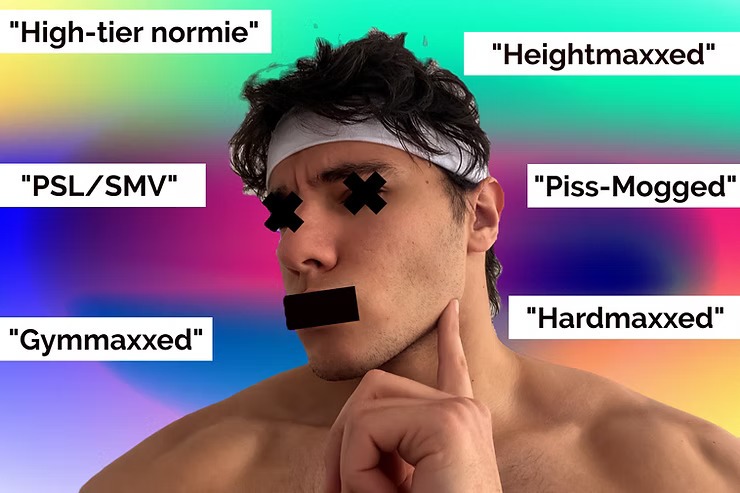
Beyond the social media bubble, scepticism has risen. A survey by The River found that 86 of 117 men at Kingston University believe online trends like looksmaxxing cause more harm than good for male audiences.
“Looksmaxxing increases pressure on those who aren’t genetically perfect,” said Leo Cheung, a third-year student at Kingston University. “Men who aren’t genetically flawed will undergo a series of self-loathing, lack of motivation or even depression as they’ll find it harder to love themselves.”
With the surge in popularity of online personalities such as Clavicular (Braden Peters), alongside viral moments like the “mog-off” between the ASU Frat Leader and Androgenic, bro science has been given a theatrical makeover. A “mog-off” for those who have better things to do is when two steroid junkies with room temperature IQ will try to compete with someone to see who is more physically superior by flexing muscles or showing off their jawline… yes, this is something that people do, and yes, there is an online leaderboard for it, appropriately named chadranking.com.
Dubious evolutionary psychology aside, this has resulted in various forms of pseudoscience having somewhat of a renaissance. The most popular “treatment” that online creators have been promoting is bone-smashing; the art of taking a hammer and smacking the crap out of your face to create micro-fractures with the belief that the bones will heal back thicker to create a more aesthetically pleasing shape. These are levels of con-artistry that earlier generations of snake oil salesmen could only aspire to. Medical professionals have warned that these practices are antithetical to the goals of bone-smashing practitioners.
“Bone smashing is sporadic, undirected trauma. There’s no control over where microfractures and swelling occur. You can’t reshape bone predictably like working out muscles,” said consultant plastic surgeon, Paul Drake.
“Smashing may microfracture facial bones, but not along defined lines matching your desired end-result. Such uncontrolled injuries cause haphazard areas of swelling and thickening.”
A “mog-off” for those who have better things to do is when two steroid junkies with room temperature IQ will try to compete with someone to see who is more physically superior by flexing muscles or showing off their jawline.
Nezar Boufrahi
Beneath the aesthetics, however, lies something far darker.
Looksmaxxing emerged in 2010s’ manosphere and incel forums such as Lookism.net and Incels.me, where physical appearance was framed as central to male status and dating success. Formalised around 2015 with the registration of Looksmaxxer.com, the concept grew from fringe message boards to a mainstream 2020s TikTok glow-up trend with brand deals and sponsorships.
Yet the shift has exposed a striking tension: while looksmaxxing encourages an intensified, almost peacocking performance of masculinity, meticulous grooming, cosmetic procedures and aesthetic self-optimisation, it originates in communities that have often derided women’s beauty practices or mocked openly gay men for similar appearance-conscious behaviours.
This mainstreaming of appearance-focused self-optimisation has coincided with growing concerns about body image pressures and the rise of body dysmorphia among men.
Body dysmorphic disorder, particularly muscle dysmorphia (or “bigorexia”), has sharply risen among men in recent years. While comprehensive, publicly available data tracking year-on-year diagnoses remains limited, NHS England’s Mental Health of Children and Young People survey shows eating-disorder symptoms, which often overlap with body dysmorphic concerns, rising dramatically among young people. In 2023, 12.5 % of 17 to 19-year-olds screened positive for an eating disorder, up from just 0.8 % in 2017, among young men in this group. Rates went from essentially zero to 5.1 % over the same period.
As platforms struggle to moderate harmful self-improvement content that skirts explicit policy violations, looksmaxxing continues to spread; a movement selling certainty in an uncertain world, at the cost of the very young men it claims to empower.
