
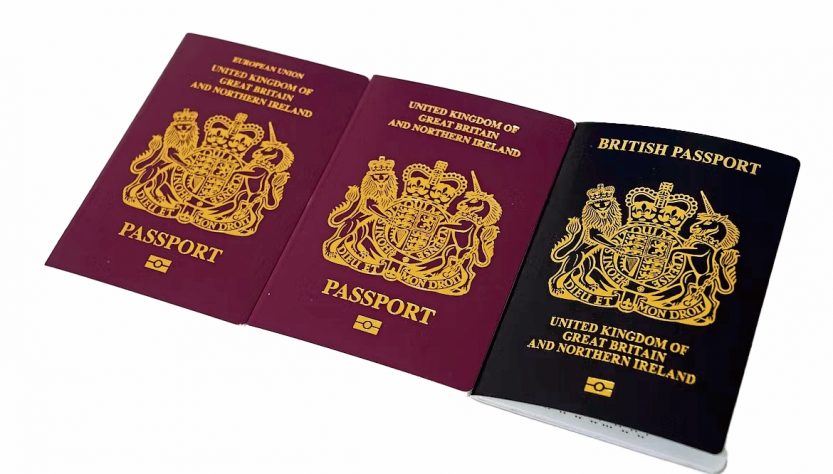
Nine in ten international students at Kingston University are worried that Reform UK’s immigration plans could affect their future.
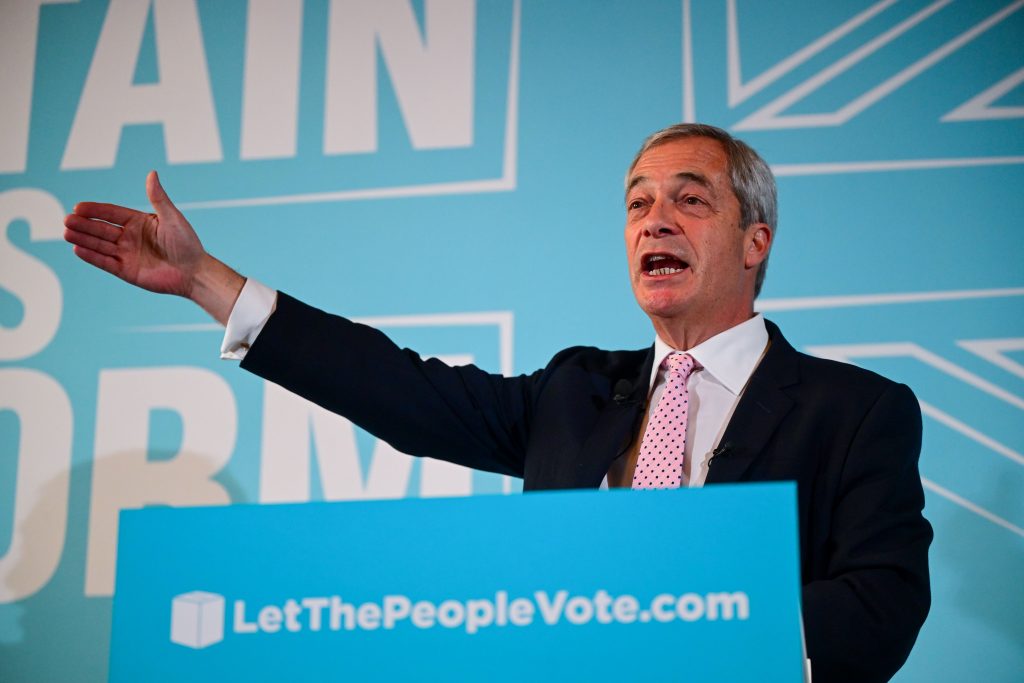
On 22 September, Nigel Farage’s party proposed scrapping Indefinite Leave to Remain (ILR) and replacing it with renewable five-year visas. The policy would raise salary thresholds from £41,700 per year to a higher salary threshold (exact figure yet to be released), tighten English language rules and extend the route to citizenship, according to the BBC.
Keir Starmer, six days later, condemned Reform’s policies as both “racist” and “immoral”.
Labour has since responded to Farage’s policy amendments with their own. Home Secretary Shabana Mahmood, held a press conference on 14 October, announcing that migrants will be required to learn English at an A-level standard, which has been increased from GCSE level.
Mahmood said: “It is unacceptable for migrants to come here without learning our language, unable to contribute to our national life.”
This emphasis on language proficiency aligns with broader concerns about education in England, where GOV.UK found that only 65.1% of pupils achieved a grade 4 or above in GCSE English.
Reform’s changes could make it harder for international graduates to stay in the UK, with tougher visa renewals and fewer job offers. Reform has also suggested higher National Insurance rates for employers hiring foreign workers, which may discourage companies from sponsoring overseas graduates.
“Every year, we pay at least three times more than the regular fees […] we also have to pay IHS [Immigration Health Surcharge] and make other payments before we even enter the country,” said international Law student Anu Murugan. “It looks very difficult for all of us. We are stuck because we knew that we had time after our courses would end, but now it looks like we’ll have to change our plans.”
Universities UK, a collective of 141 universities, estimates that international students contribute £41.9 billion to the UK and can pay between £11,400 and £38,000 for undergraduate degrees, depending on their course and university, as opposed to home students who pay £9,535 per year.
Hamad Tahir, who has fostered strong links with many international KU students, brushed off any concerns about Reform’s policies coming into action.
“It’s all just a load of talk for his [Farage] supporters,” said Tahir. “With the amount of NHS staff coming from out of the UK, it would cripple the economy. There’s no way they would do it.”
A report by PwC found that universities have faced increasing financial pressure since the 2012 rise and subsequent freeze in tuition fees, when costs jumped from £3,375 to £9,000.
The Social Market Foundation pointed out the over-reliance that universities have on international student fees, citing that in 2024, nearly a quarter of a university’s total income stems from foreign students.
Although the fee cap has been raised twice, to £9,250 in 2017 and £9,535 for 2025–26, these increases have not kept pace with inflation. Since 2012, tuition fees have risen by 5.9%, while prices measured by the Consumer Prices Index have grown by around 40%.
If fees had kept up with inflation, annual tuition would stand between £12,600 and £13,000.
Freelance politics writer, Finlay Telford, believes that Reform UK’s proposed changes would “benefit” the UK.
“University students from the UK would have more of a chance at gaining employment related to their studies since they would have less competition from students from other countries in the same field.”
Finlay Telford, politics writer.
Recorded by the Institute of Student Employers, surveyed companies had received over 1.2 million applicants for 17,000 graduate vacancies in 2024, an increase of 59% from the previous year.
Via Electoral Calculus, Reform are predicted to gain 30.4% of the popular vote and 301 seats in the next election (25 seats short of a majority), up from 1.7% and 5 seats. Labour, on the other hand, stands to lose 12.4% of the popular vote and 158 seats, down from 411 seats, the third-best showing in Labour history.
