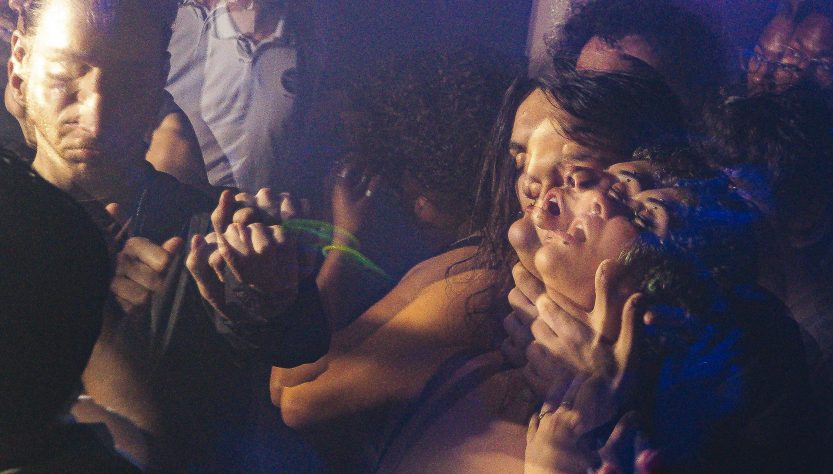
The closure of PRYZM this summer marked more than the end of the club, it symbolised the end of an era. For students and young people living in Kingston, what once was a rite of passage, has now shut off its neon lights in July for good.
The fall of PRYZM Kingston isn’t an isolated case. Rekom UK, which used to be a major player in the nightlife landscape, entered administration in early 2024. Blaming rising energy bills, inflation and a new generation of young people not enjoying clubbing.
What used to be a booming culture of glamour and music in the 2000s, with icons such as Paris Hilton and Lindsey Lohan partying nightly, has been laid to rest. The iconic ‘indie sleaze’ was what made the 2000 party culture INSANE. It was chaos, it was messy, but it was original and it was fun.
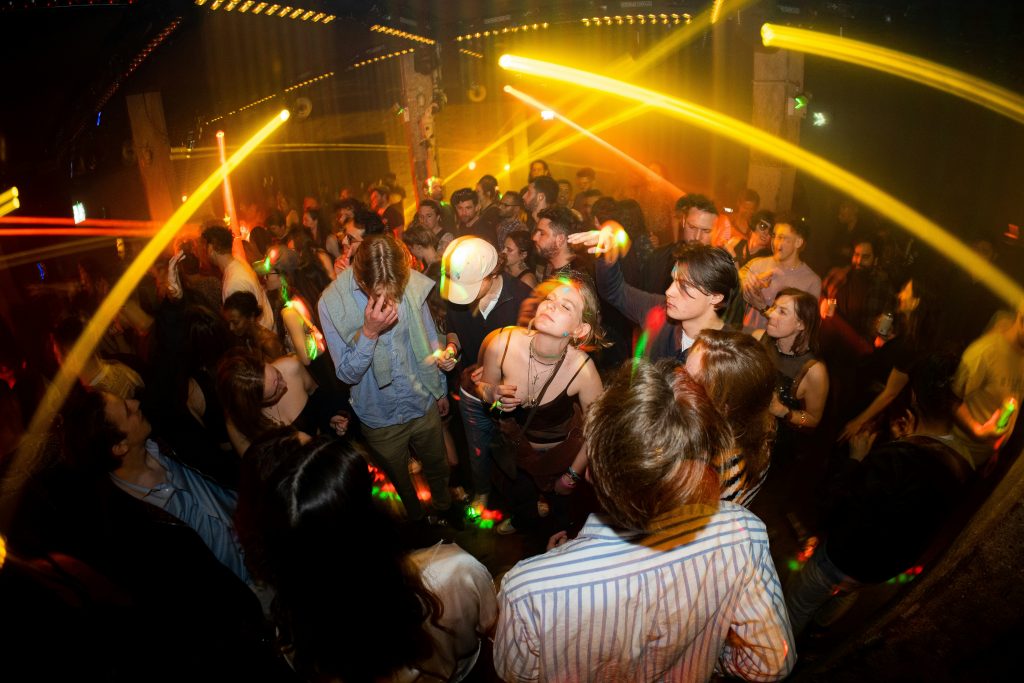
The Clarence Street venue did not stay silent for long. In a £3 million redevelopment by NEOS Hospitality, the former club has been split into two distinct areas. The first and second floors have been reopened as Circuit, a modern nightclub with high-spec sound systems and themed nights. Meanwhile, the ground floor houses Bonnie Rogues, described as “a bougie pub for middle-class old people”, as described by a few students on campus.
“I haven’t been to Bonnie Rogues yet, but it doesn’t look like something I’d enjoy purely based on the people that go there”, Leo a student at Penrhyn road campus goes on to describe the people he’s seen the inside and although the bar itself doesn’t look too bad, the people in there are not his vibe.
Clubbing is no longer the default weekend plan for many students. Instead, the night is more fragmented; pre-drinks stretch out for longer, some end up going to the local pub or a cheeky Wetherspoons. Circuit may still aim to draw the dancefloor crowd, however, Bonnie Rogues hints where nightlife may be heading.
In a survey distributed among students at Penrhyn Road campus, up to 62% agreed that they preferred going to the pub with some friends, over clubbing.
Recently, Wetherspoons has submitted a licensing application to extend operating hours. It has been eyeing a slice of late night economy. The Kings-Tun has applied to extend its operating hours until 1:30am on weekdays and 2am on weekends. It has also applied for permission to host live music and dance events. In a town with fewer late night venues, a budget friendly pub with longer hours could fill the gap- especially for students unwilling or unable to spend £10 on entry fees or £8 for a double.
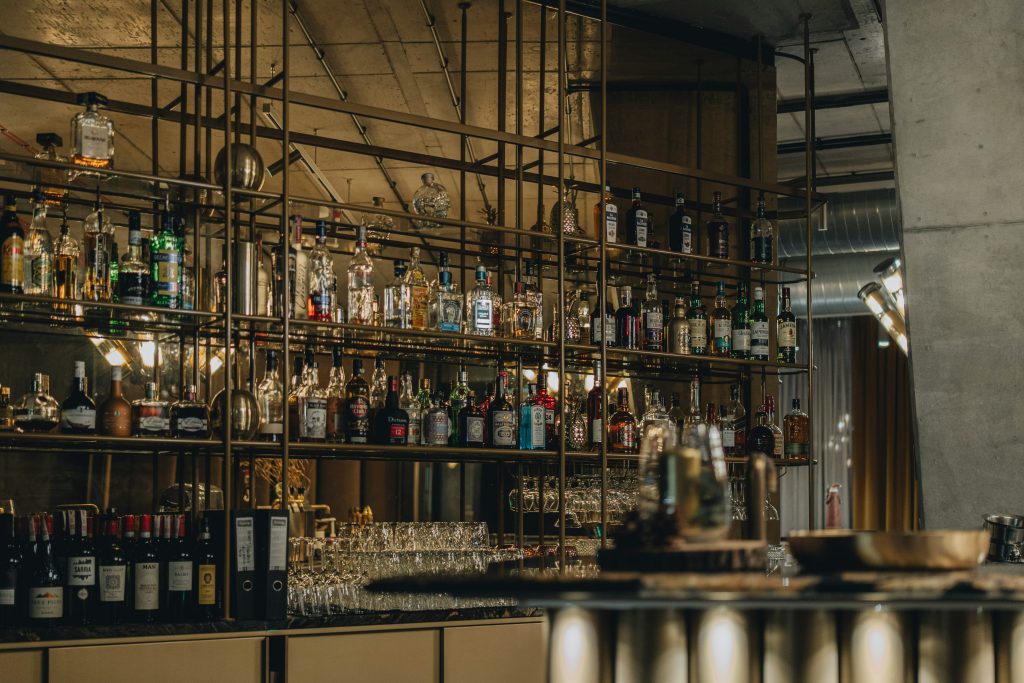
Still, the plan faces hurdles. Licensing extensions often attract objections from locals concerned about the noise and behaviour. There also stands the question of if Wetherspoons can genuinely become a late-night destination- or if it risks trying to do too much without offering a proper atmosphere or entertainment experience.
Liam, a young person who frequents The Kings Tun, explained that: “live music can make or break a night, plus there’s already places like O’Neil’s where there’s live music and even karaoke”. Spoons may be trying to compete with its fellow pubs; however, will this change be worth it.
Wetherspoons is known for its tradition of being a regular pub with cheap drinks, and them trying to fit in with what Kingston’s nightlife already has to offer could, in fact, deter people, rather than attract.
What is happening to nightlife in the UK? According to the Night Time Industries Association (NTIA), 1 in 4 late-night venues have closed since 2020, which amounts to nearly 800 businesses. Michael Kill, CEO of the NTIA, said in an article: “Nightclubs and late-night venues are more than just places to dance- they’re cultural institutions”.
Young people’s habits have changed. Drinking is down. The cost of living has squeezed disposable income. And when students do decide to go out, a £6 pint or £12 cocktail is hard to justify when rent is due and student finance has been rinsed by week four.
Ask any third-year student at Kingston about PRYZM and you’ll hear the same thing, ‘yeah, I’ve got good memories from that place.’ But the nostalgia doesn’t translate to attendance. Yasmin is in her final year of her studies and has pointed out: “PRYZM does bring a sense of nostalgia since we were all first years and just wanting to meet people and have fun”. Now she prefers to go to pubs compared to her first-year self. “PRYZM was always going to be iconic, but it won’t be remembered that way since its circuit, which sucks”.
Kingston’s nightlife isn’t dying- it’s transforming. The days of giant superclubs dominating town centres may be over, but that doesn’t mark the end of student nights out. They are being replaced by smaller, more varied spaces like pub gigs, themed nights or open mic events. For students, that may mean more choice, not less. But it is also about being part of the change and supporting local nights out to prevent ‘night-time deserts’ spreading.
