

Working class students are being priced out of the creative industries, with the rising cost of studying arts degrees resulting in only those with deep pockets being able to take subjects such as fine art, interior design or fashion.
Undergraduate tuition fees for arts degrees remain capped at £9,535 a year for UK students. However, students face unavoidable extra expenses beyond tuition.

“I got given a shopping list of materials I needed, amounting to about £500, on my first day of first year,” said Erin Young, a third-year studying Interior Design at Kingston University.
She added she was “appalled” by the realisation of having to spend such a lump sum before beginning her studies.
“I shouldn’t have to spend £500 on materials that we could’ve had a lot more time to get if we knew,” Young continued.
This financial strain is reshaping student life. According to a 2025 survey by the Higher Education Policy Institute (HEPI), 68% of students are working part time jobs alongside demanding timetables.
Cora Taylor, who’s in her final year of Fashion Promotion and Communication said she works twice a week and “even that puts [her] behind on studies”.
Although some things such as field trips are partly funded by the university, students are having to pay for food and travel expenses.
Research shows that 30% of UK students take on extra debt just to cover basic living costs, and many creative graduates earn less than £21,000 five years after graduation, making loan repayment an extensive process.
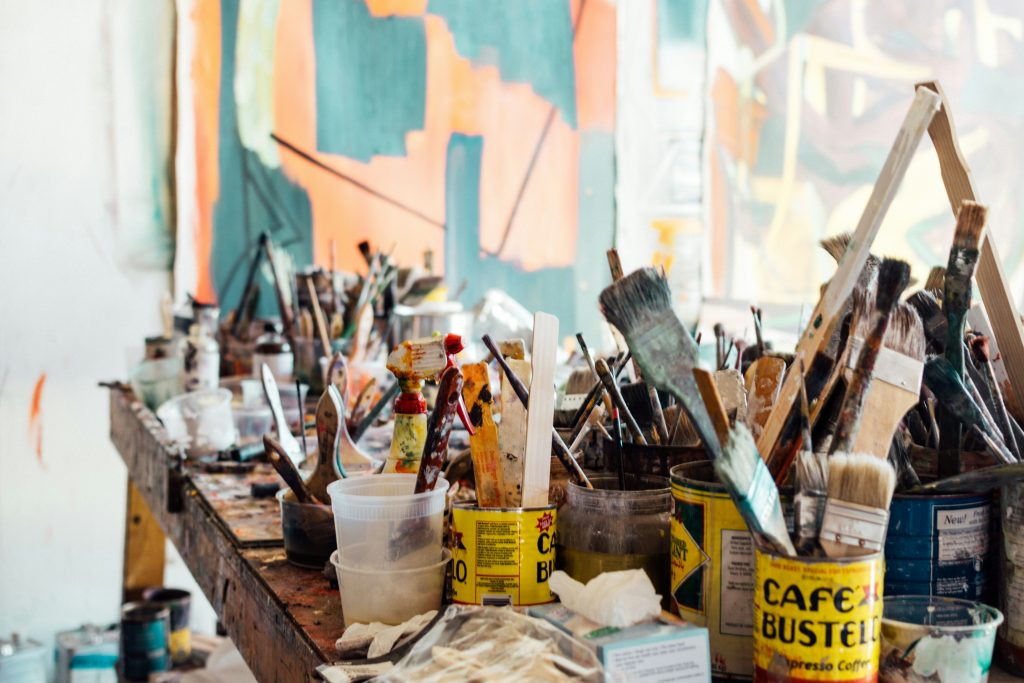
Fashion students report spending extra money on fabrics and portfolio production where fine art students are having to supply their own paints, canvas and specialist tools.
These expenses are not covered by student loans, leaving many to have to rely on family or part-time jobs.
Some university courses offer free memberships for digital software that are required to complete work – but the requirement to buy physical tools are leaving poorer students out of pockets or even unable to attain the best grades.
Young said: “We have to support ourselves to get those and if you don’t have them you get a worse grade which I think is very bad for students”.
Some universities report rising dropout rates among arts and design students, who blame financial stress as the lead factor.
In a survey carried out by Debut, it found that students studying creative arts and design have a drop out rate of 7.2%. This was ranked as one of the highest drop out rates by subject.
The growing divide between those who can afford creative degrees and those who cannot is fuelling concerns about elitism.
“I don’t get financial help on my course, it feels really independent and self-lead, especially in third year,” Young added.
