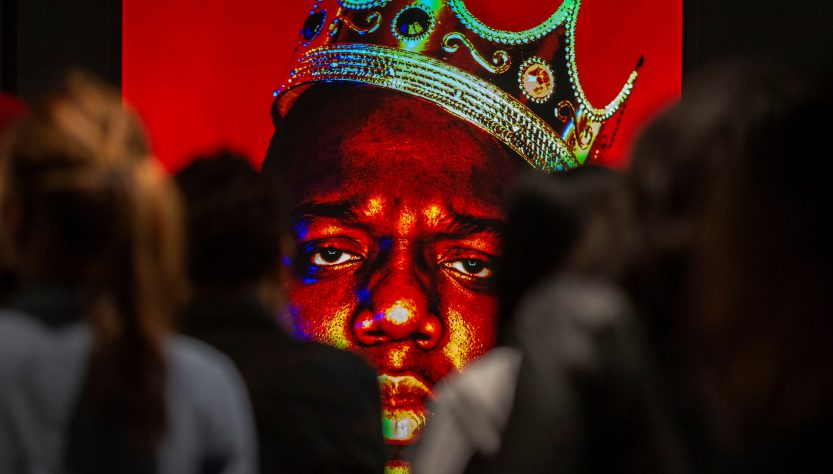
It’s been nearly 29th years since the untimely death Notorious B.I.G./Biggie Smalls’ – yet many believe the rapper, real name Christopher Wallace, is one of the best hip-hop artists of all time.
In 1991, he released his first demo, “Microphone Murderer,” where, despite his own doubts about the track, it was discovered by local disc jockey, Mister Cee. Cee was a prominent force in hip-hop, having worked with other legendary artists such as Big Daddy Kane and the Juice Crew. The DJ passed the track on to Matteo Capoluongo, the editor of The Source magazine, who featured the track on “Unsigned Hype” in March 1992.
This led to Wallace gaining significant exposure and, consequently, the attention of Diddy, formerly known as Sean Combs. Sean Combs later connected him to rap on Mary J Blige’s hit “Real Love”, and the rest is history.
Biggie Smalls was one of the first to show that gritty rap and its reach could penetrate the mainstream with the releases of “Big Poppa” and “Juicy.” These infamous tracks were the pioneers of the blend between hip-hop and “radio music”, technically advancing the art of rap.
Rap fan Remus Muntean shared his view on Biggie’s legacy: “You could hear the charisma in his voice. The pauses, the switch-ups in cadence, the storytelling – he was truly one of the best at that.”
Muntean adds: “His approach to rap changed the industry forever, and his influence is timeless.”
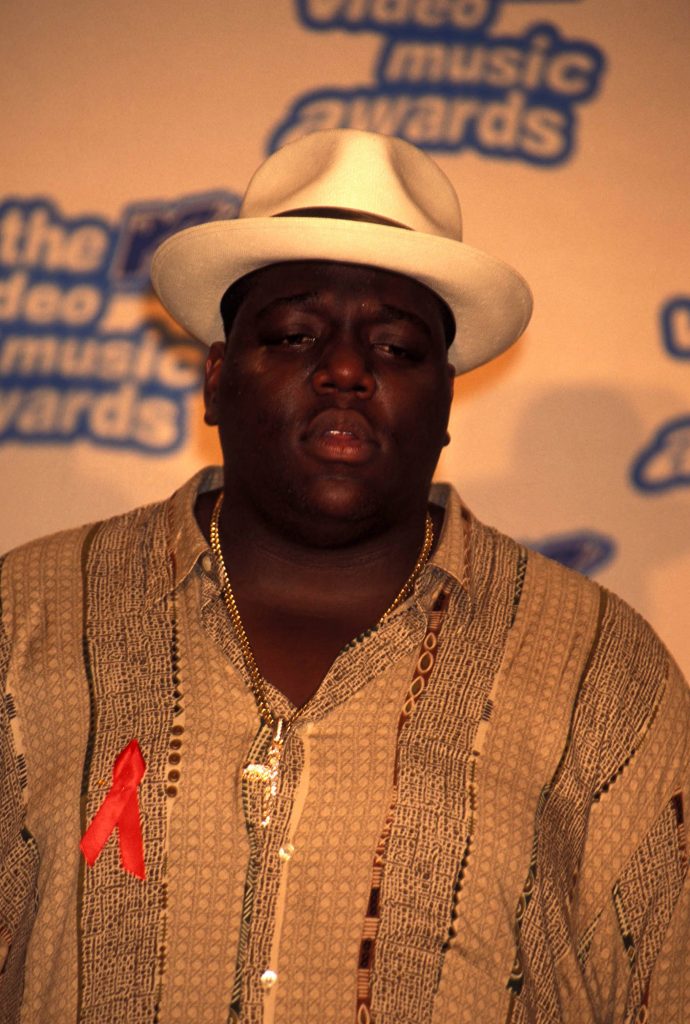
Another passionate fan of particularly old-school hip-hop, Riyad Alberedy, said, “Biggie’s influence on the culture of rap is incredible, his ability to inspire you through his lyrics. Biggie was explaining his life story, the good and bad times, and that resonated with many people.”
He is often credited with “reviving” the East Coast scene, even though during the 1990s the dominant voices in hip-hop were coming from the West Coast, thanks to artists such as 2Pac, Dr. Dre, and Snoop Dogg. With the help of Sean Combs and Bad Boy Records, he revived the spirit of hip-hop in New York.
His unique storytelling style has inspired many rappers, from Dr Dre to Kendrick Lamar, demonstrating the obvious influence and cultural impact he had over the radio and the streets.
“His influence is timeless.”
Remus Muntean
Despite Biggie’s shortened career, due to his murder, he had one of the most accomplished careers in hip-hop. He went certified platinum in the USA six times with his album “Life After Death” (which was released shortly after his death), debuted no. 1 on the Billboard 200, and went platinum ten times in the US.
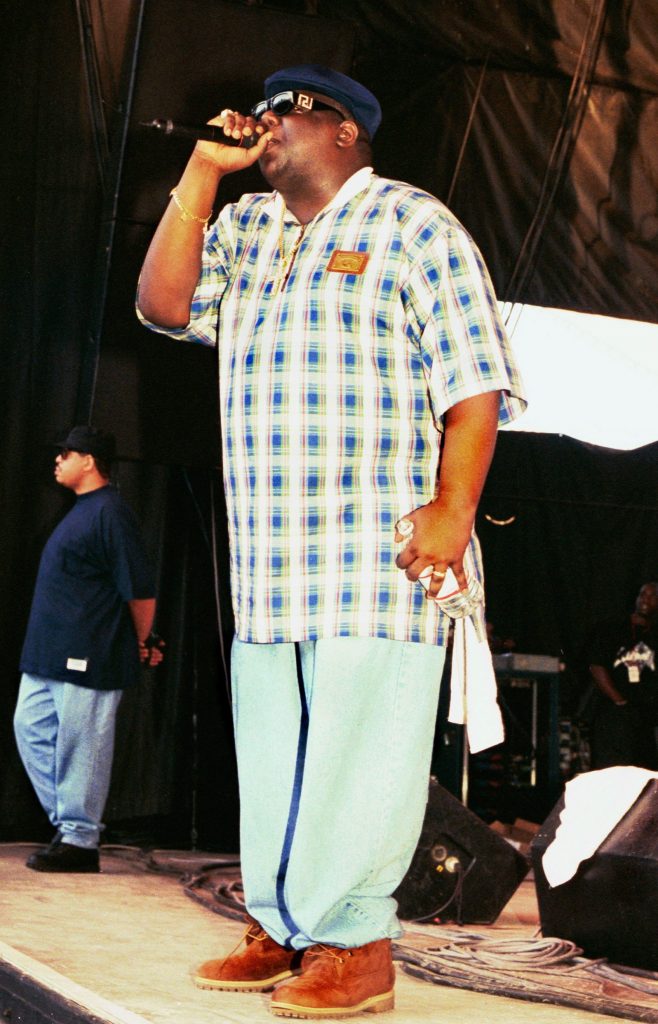
He also sold over 28 million copies in the US alone and over 75 million worldwide, making him one of the best-selling rappers of all time. This incredible success makes you wonder what he could have achieved if he hadn’t passed away at 24.